

Magnets as Functional Components in Electromechanics
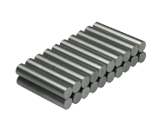
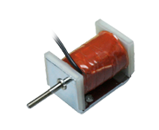
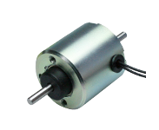
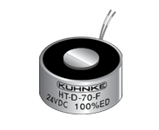
In technical applications, magnets or solenoids do more than just hold things in place. They secure components, generate linear or rotary motion, and support processes wherever forces need to be transmitted contactlessly or with precision. Their versatility is particularly evident in electromechanics: Permanent magnets operate without a power supply, lifting magnets generate linear motion, and rotary magnets are used when defined rotational movements are required.
What surfaces do magnets adhere to?
Magnets primarily adhere to ferromagnetic materials such as iron, steel, nickel, or cobalt. On aluminum, copper, wood, or plastic, they generally do not work or only work with special counterparts.
What is the difference between a permanent magnet and an electromagnet?
A permanent magnet has its own permanent magnetic field and requires no power supply. An electromagnet only generates its magnetic effect when current flows through a coil, allowing it to be switched on and off as needed.
What are linear and rotary magnets used for?
Lifting magnets are used when linear movements such as pulling, pushing, or locking need to be triggered. Rotary magnets are suitable for defined rotational movements, such as in switching, flap, or positioning mechanisms.
Bürklin offers a wide range of magnet solutions from renowned manufacturers such as Littelfuse for various technical requirements. Thanks to high availability and efficient logistics, you can obtain the components you need from us particularly quickly and implement projects reliably and without delays.